

Experience unprecedented performance with NVIDIA’s RTX 40 Series graphics cards. Ray tracing, DLSS 3.5, and AI-enhanced gameplay redefine what’s possible in modern gaming.
RTX 40 Series
Gaming PCs
Gaming PCs
Ultra-fast GDDR6X memory
Pristine resolution
Powerful architecture
Revolutionary Technology
RTX 40 Series Features
Explore the cutting-edge technologies that power NVIDIA’s RTX 40 Series graphics cards, delivering exceptional gaming and content creation experiences.
NVIDIA RTX 40 Series
3rd Generation RT Cores
Up to 2x faster ray tracing performance compared to previous generation for incredible visual fidelity
Realistic Lighting & Shadows
True-to-life lighting effects that mimic how light behaves in the real world
Enhanced Reflections
Accurate reflections on any reflective surface, from water and glass to polished metals
RT Performance vs 30 Series
Up to 2x faster
Games with Ray Tracing
250+
Ray Tracing Types
Shadows, Reflections, GI
NVIDIA RTX 40 Series
Frame Generation
AI generates entire frames for dramatically improved performance in supported games
DLSS Super Resolution
AI upscaling delivers sharp image quality while significantly boosting performance
Ray Reconstruction
Enhanced ray tracing quality through AI denoising for cleaner, more detailed ray-traced scenes
Performance Boost
Up to 3x
Supported Games
300+
Tensor Performance
Vastly improved
NVIDIA RTX 40 Series
NVIDIA TSMC 4N Process
Advanced manufacturing process delivers higher performance with greater power efficiency
Next-Gen Streaming Multiprocessors
Redesigned SM architecture provides substantial performance improvements
Enhanced Memory Subsystem
Faster memory and improved cache design for reduced latency and higher bandwidth
Performance vs 30 Series
Up to 4x faster
Power Efficiency
Up to 2x better
Memory Speed
Up to 23 Gbps
Ready To Game
RTX 40 Series Gaming PCs
Experience the power of NVIDIA’s RTX 40 Series with our custom-built gaming PCs, designed to deliver exceptional performance for the latest AAA titles.
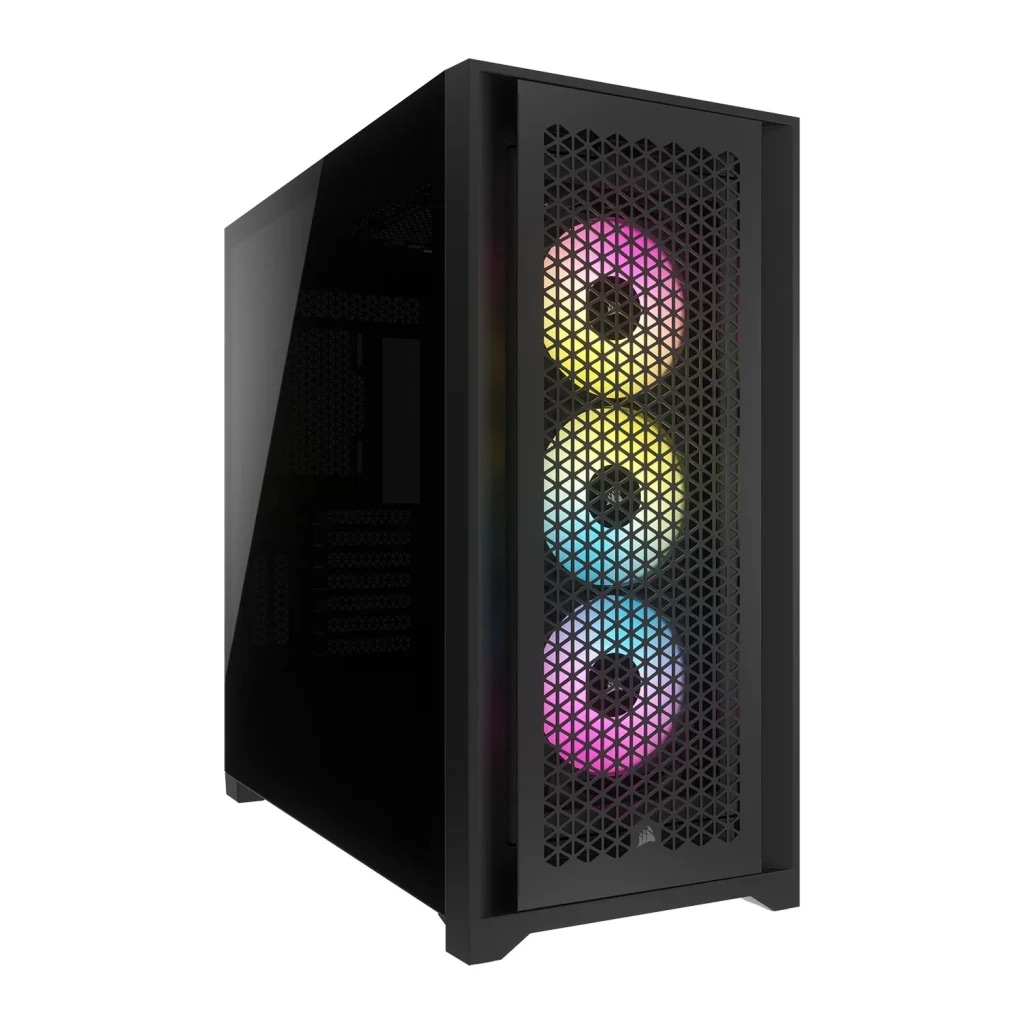
RTX 40 Series
Graphics Card Details
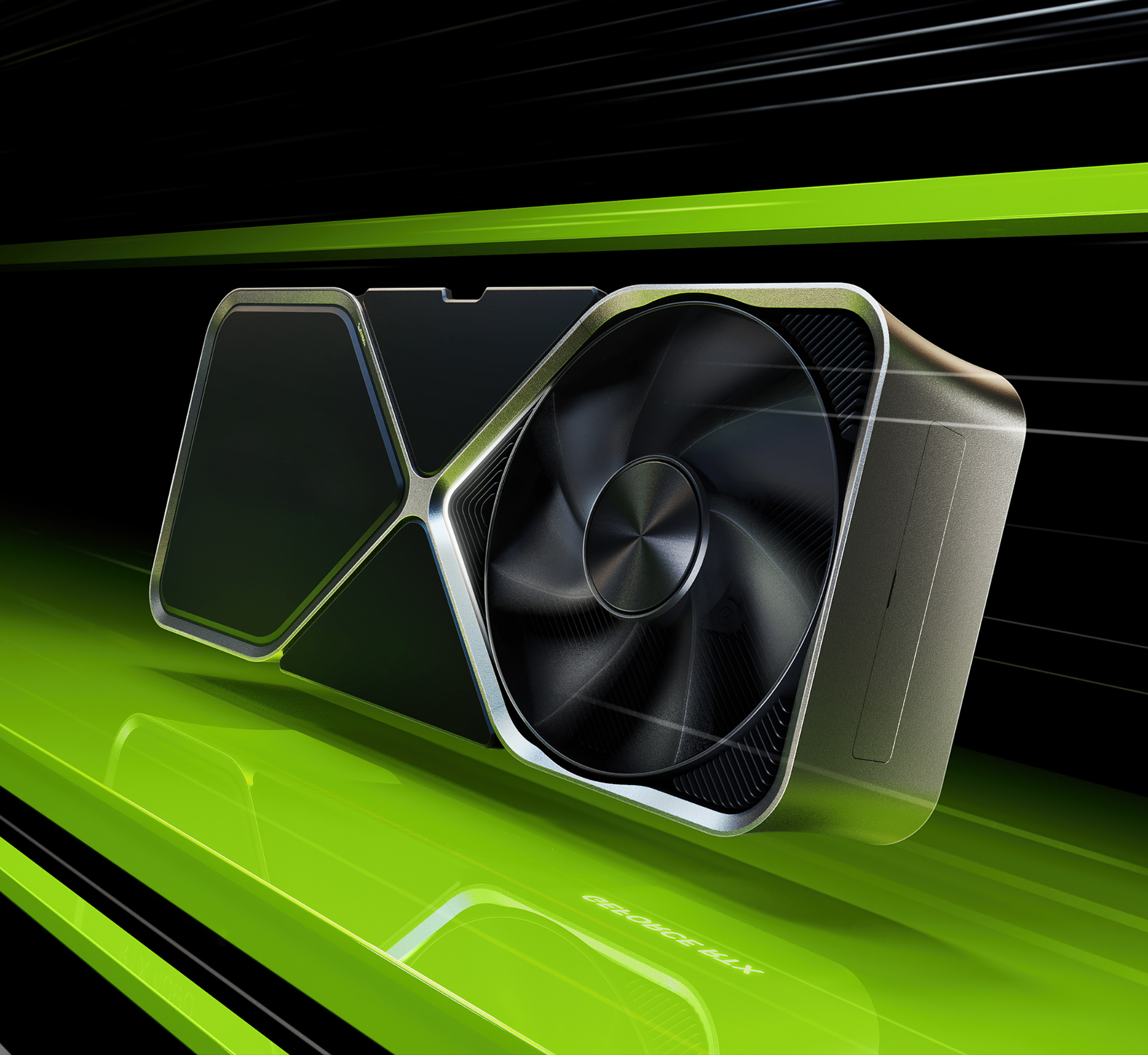
Explore the specifications and capabilities of NVIDIA’s RTX 40 Series graphics cards, from the RTX 4060 to the flagship RTX 4090.
NVIDIA GeForce
GeForce RTX 4060
CUDA Cores
3,072
Boost Clock
2.46 GHz
Memory
8GB GDDR6
Memory Interface
128-bit
RT Cores
3rd Gen
Tensor Cores
4th Gen
NVIDIA GeForce
GeForce RTX 4060 Ti
CUDA Cores
4,352
Boost Clock
2.54 GHz
Memory
8GB GDDR6
Memory Interface
128-bit
RT Cores
3rd Gen
Tensor Cores
4th Gen
NVIDIA GeForce
GeForce RTX 4070 Super
CUDA Cores
7,168
Boost Clock
2.48 GHz
Memory
12GB GDDR6X
Memory Interface
192-bit
RT Cores
3rd Gen
Tensor Cores
4th Gen
NVIDIA GeForce
GeForce RTX 4070 Ti Super
CUDA Cores
8,448
Boost Clock
2.61 GHz
Memory
16GB GDDR6X
Memory Interface
256-bit
RT Cores
3rd Gen
Tensor Cores
4th Gen
NVIDIA GeForce
GeForce RTX 4080 Super
CUDA Cores
10,240
Boost Clock
2.55 GHz
Memory
16GB GDDR6X
Memory Interface
256-bit
RT Cores
3rd Gen
Tensor Cores
4th Gen
NVIDIA GeForce
GeForce RTX 4090
CUDA Cores
16,384
Boost Clock
2.52 GHz
Memory
24GB GDDR6X
Memory Interface
256-bit
RT Cores
3rd Gen
Tensor Cores
4th Gen
Benchmark Results
Performance Metrics
Compare the performance of different NVIDIA RTX 40 Series graphics cards across various games and resolutions.
Performance measured on high settings with ray tracing enabled. DLSS set to Quality mode where applicable.
RTX 4060 set as baseline (100%). Higher values indicate better performance.
Compare Models
RTX 40 Series Feature Comparison
Find the perfect RTX 40 Series graphics card for your needs by comparing their features and capabilities.
| Feature | RTX 4060 | RTX 4070 Super | RTX 4080 Super | RTX 4090 |
|---|---|---|---|---|
| DLSS 3.5 Frame Generation | ||||
| Ray Tracing | ||||
| AV1 Encoding | ||||
| Optimal for 4K Gaming | ||||
| Optimal for 8K Gaming | ||||
| Professional Content Creation | ||||
| 24GB+ VRAM | ||||
| Dual NVIDIA Encoders | ||||
| Feature comparison across RTX 40 Series graphics cards | ||||
Frequently Asked Questions
Common Questions About RTX 40 Series
Get answers to the most common questions about NVIDIA’s RTX 40 Series graphics cards and their capabilities.
DLSS 3.5 (Deep Learning Super Sampling) is NVIDIA’s AI-powered technology that boosts frame rates while maintaining high image quality. It includes three key components: DLSS Super Resolution for AI upscaling, DLSS Frame Generation which creates entirely new frames for dramatic performance improvements, and Ray Reconstruction which enhances ray-traced image quality. Together, these technologies can provide up to 3x higher performance in supported games.
If you’re looking for significantly improved ray tracing performance, DLSS 3.5 with Frame Generation, and higher overall gaming performance, the RTX 40 Series offers substantial upgrades over the 30 Series. The 40 Series provides up to 2-4x better ray tracing performance, support for DLSS 3.5 Frame Generation (exclusive to 40 Series), and better overall efficiency. The value of upgrading depends on your specific use case, but for demanding games at high resolutions or with ray tracing, the performance improvements are substantial.
The RTX 4070 Ti Super offers approximately 20-25% more performance than the RTX 4070 Super. Key differences include more CUDA cores (8,448 vs 7,168), more memory (16GB vs 12GB), and a wider memory bus (256-bit vs 192-bit). These upgrades make the 4070 Ti Super better suited for 4K gaming and more demanding ray tracing scenarios, while the 4070 Super offers excellent 1440p performance at a lower price point.
For the best 4K gaming experience, the RTX 4080 Super and RTX 4090 are recommended. The RTX 4090 delivers the absolute best 4K performance with ray tracing, often exceeding 100 FPS in demanding titles with DLSS. The RTX 4080 Super offers excellent 4K gaming at a lower price point. The RTX 4070 Ti Super can handle 4K gaming with DLSS enabled, while the RTX 4070 Super and below are better suited for 1440p gaming.
Not all games support DLSS and ray tracing, but the number is growing rapidly. Currently, over 300 games and applications support DLSS, while more than 250 games feature ray tracing. Major titles like Cyberpunk 2077, Call of Duty, Fortnite, Minecraft, Control, and many AAA games support both technologies. Game developers continue to add support for these features in both new and existing titles.